




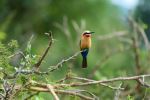
Lower Zambezi National Park is a protected area in eastern Zambia, lying along the northern bank of the Zambezi River opposite Zimbabwe’s Mana Pools. The park covers a broad area of woodland, open grassland, riverine forest, lagoons, and seasonal floodplains. The Zambezi is central to the landscape, providing water for wildlife and shaping habitats along the park’s southern boundary. Much of the area remains lightly developed, with wildlife concentrated around the river and associated channels. Its position within the wider Zambezi Valley gives the park a strong connection between river ecosystems and dry woodland.
The Lower Zambezi landscape has long been connected with communities living along the Zambezi Valley, where fishing, farming, and livestock keeping contribute to local livelihoods. Traditional fishing remains important on the river and surrounding waterways, while conservation programs increasingly involve nearby communities in protecting wildlife and natural resources. The park is managed by Zambia’s Department of National Parks and Wildlife, with conservation organizations and tourism operators contributing to wildlife protection and community initiatives. The wider valley also contains cultural traditions associated with riverside agriculture, fishing, local crafts, and seasonal movement between different resource areas.
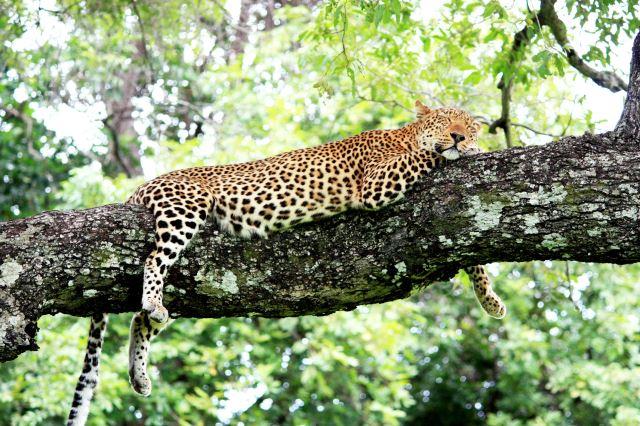
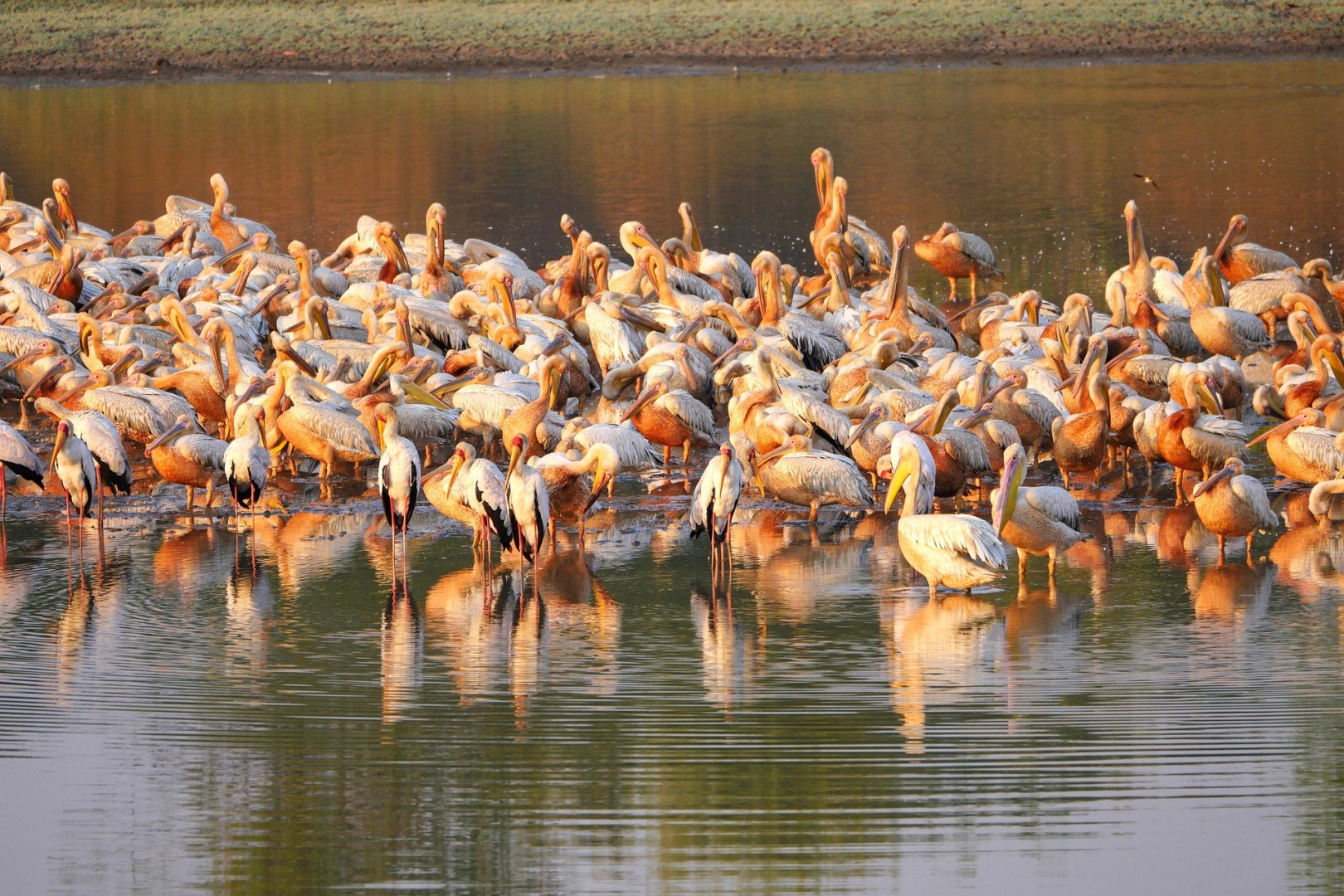
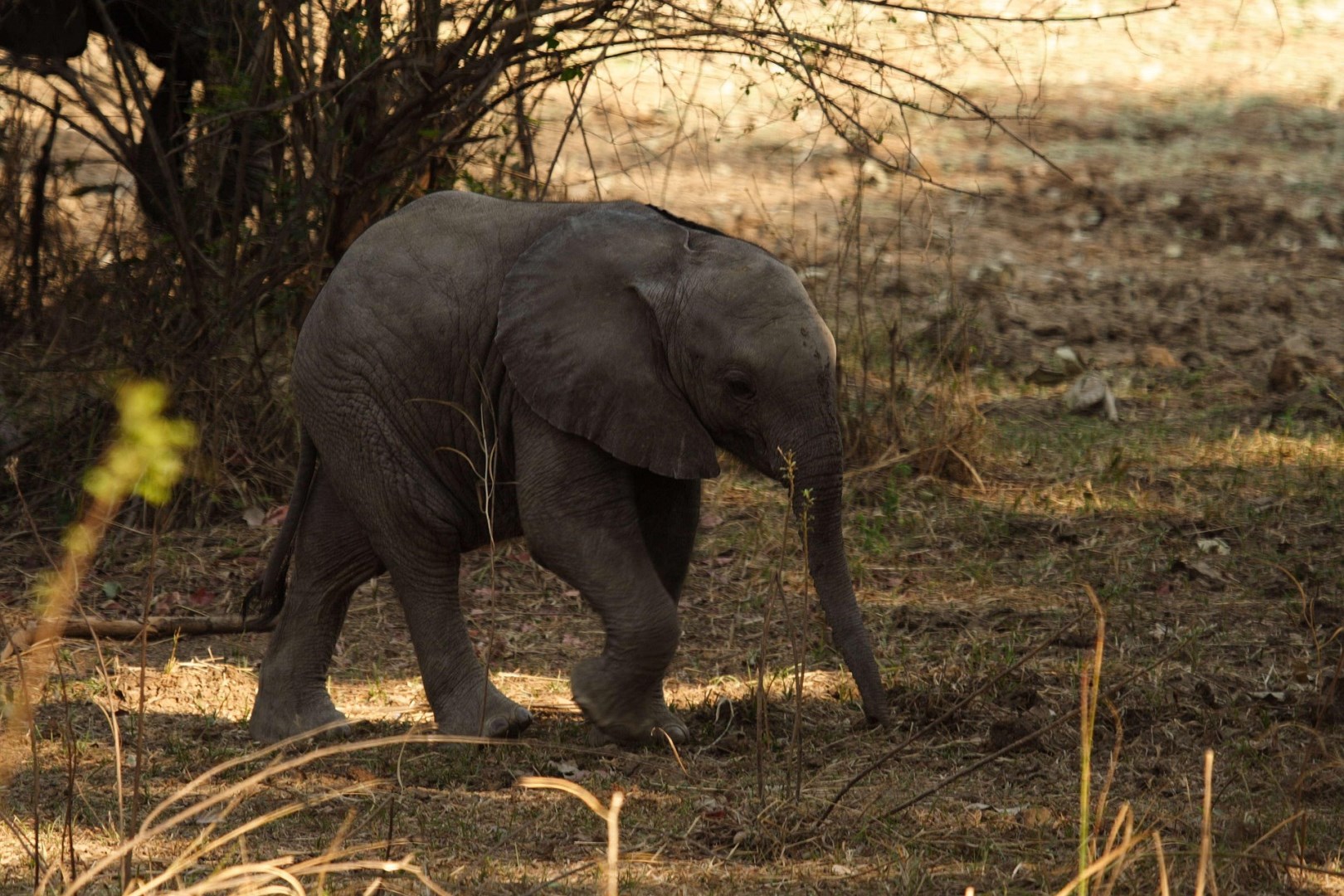
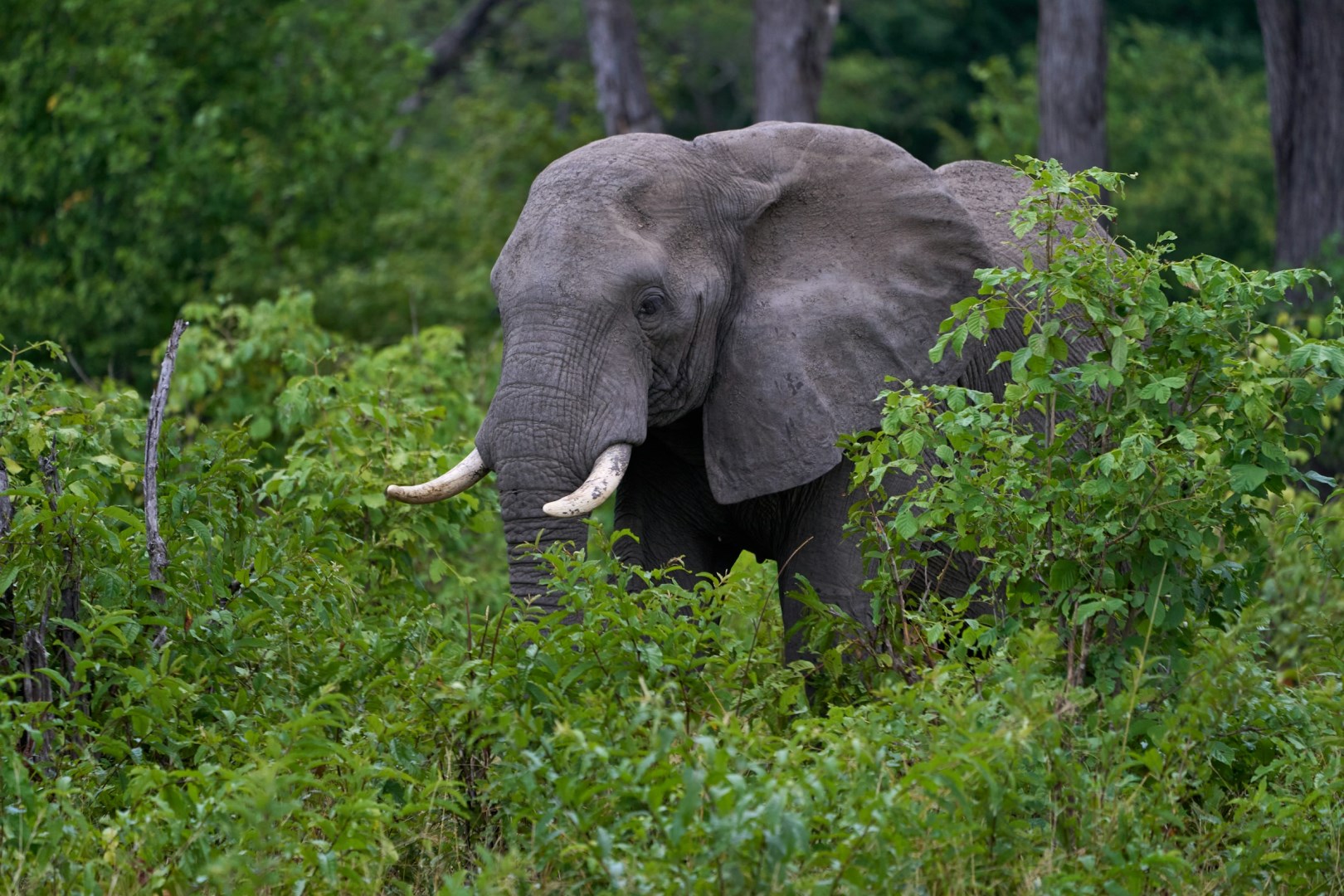
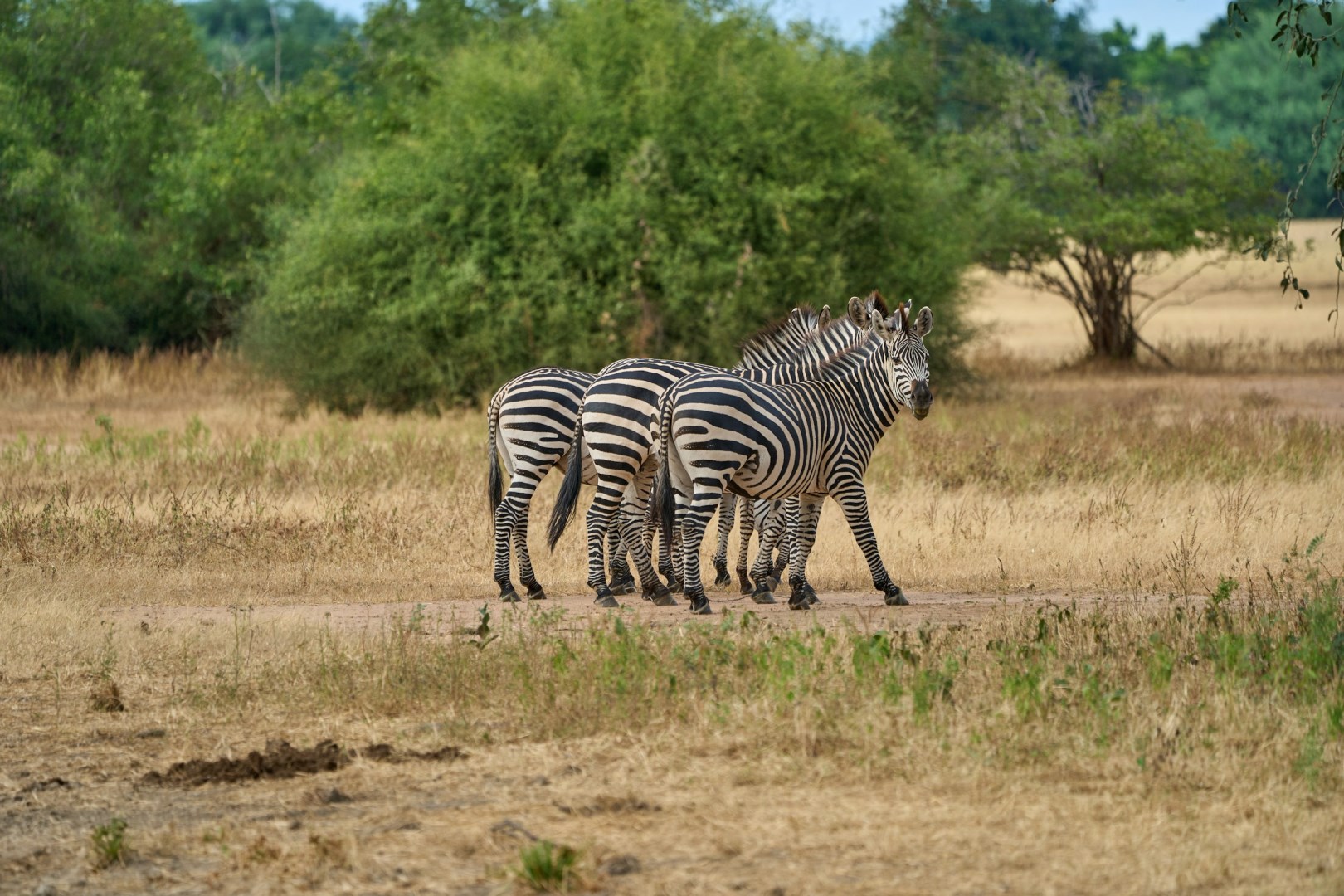
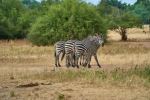
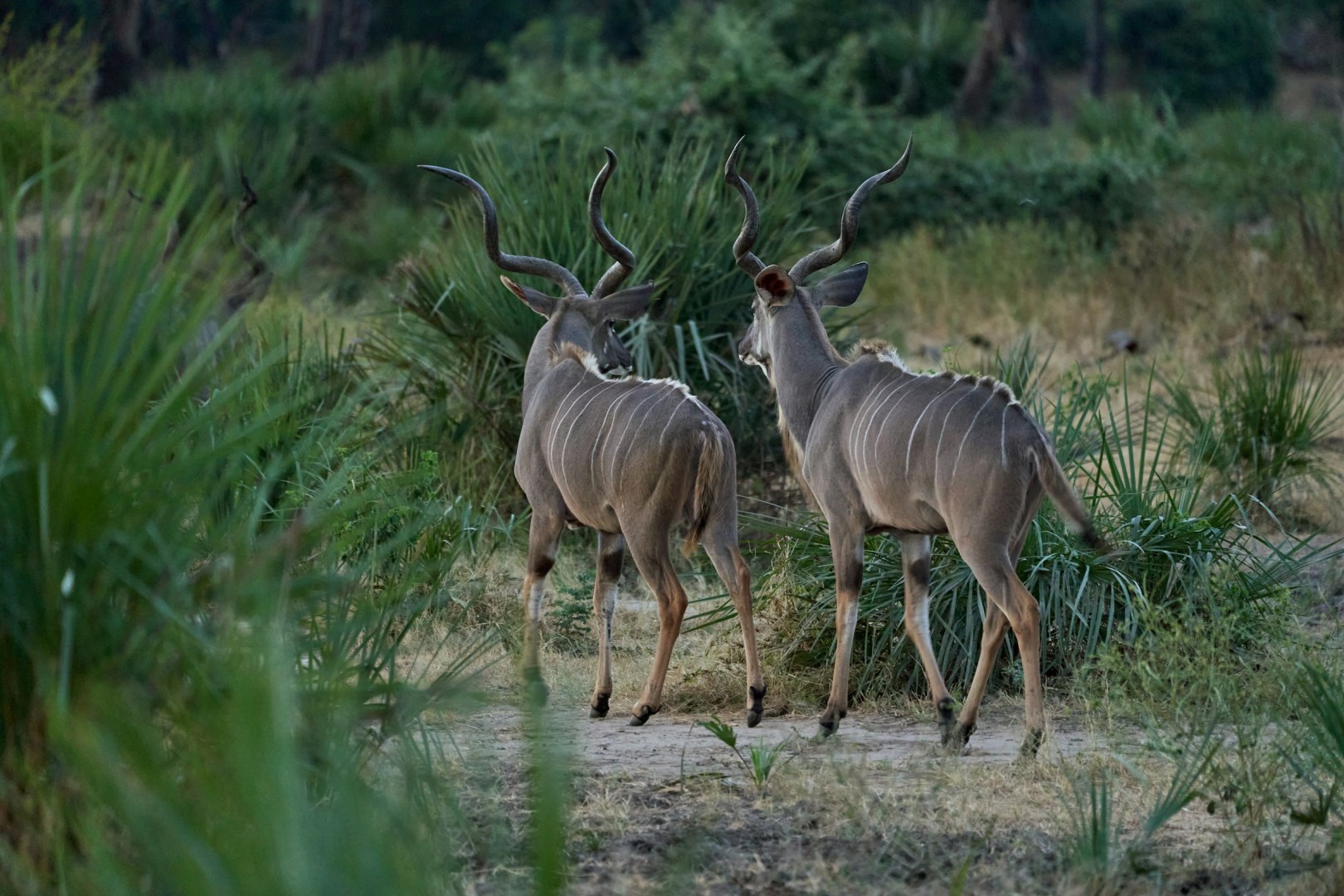
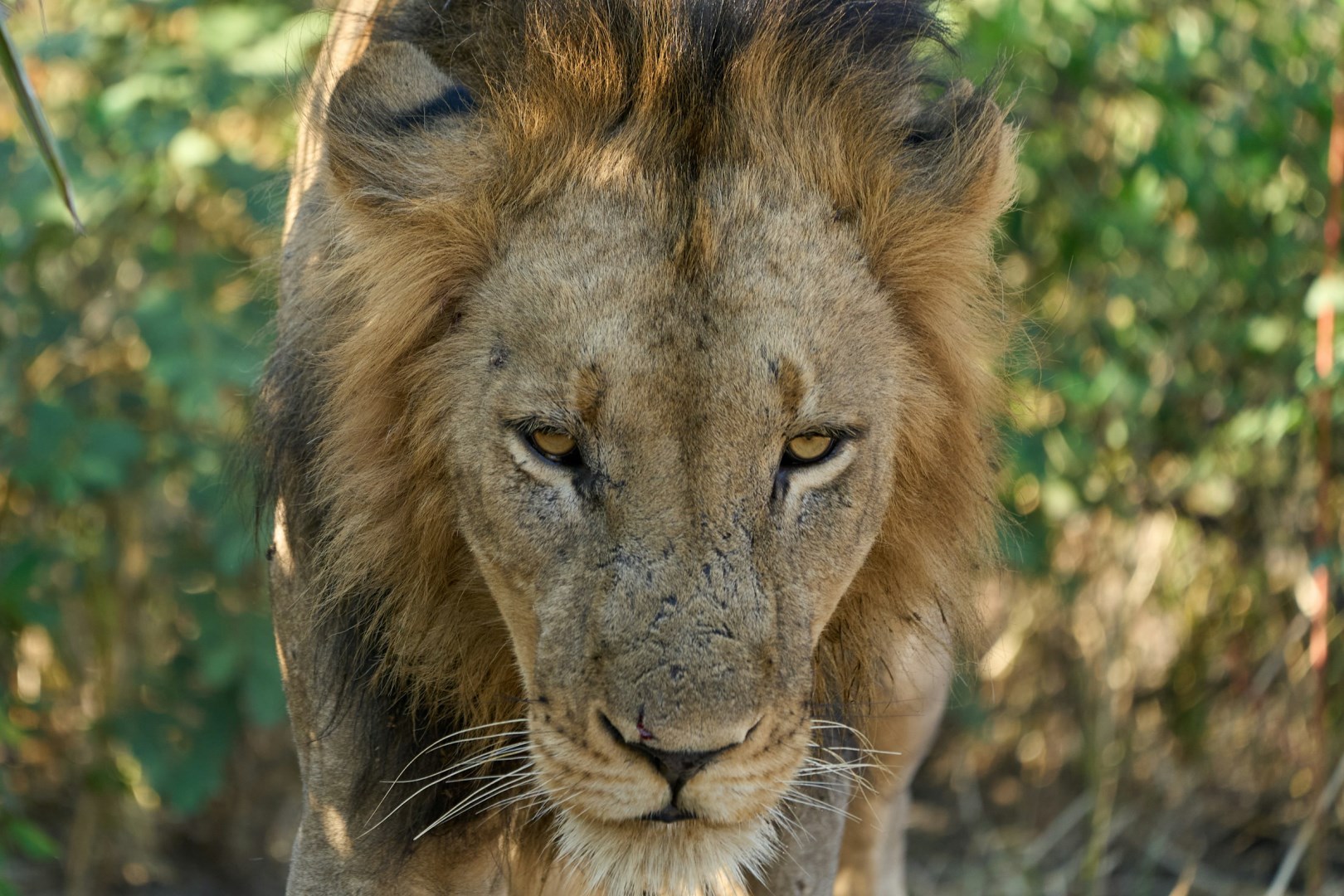
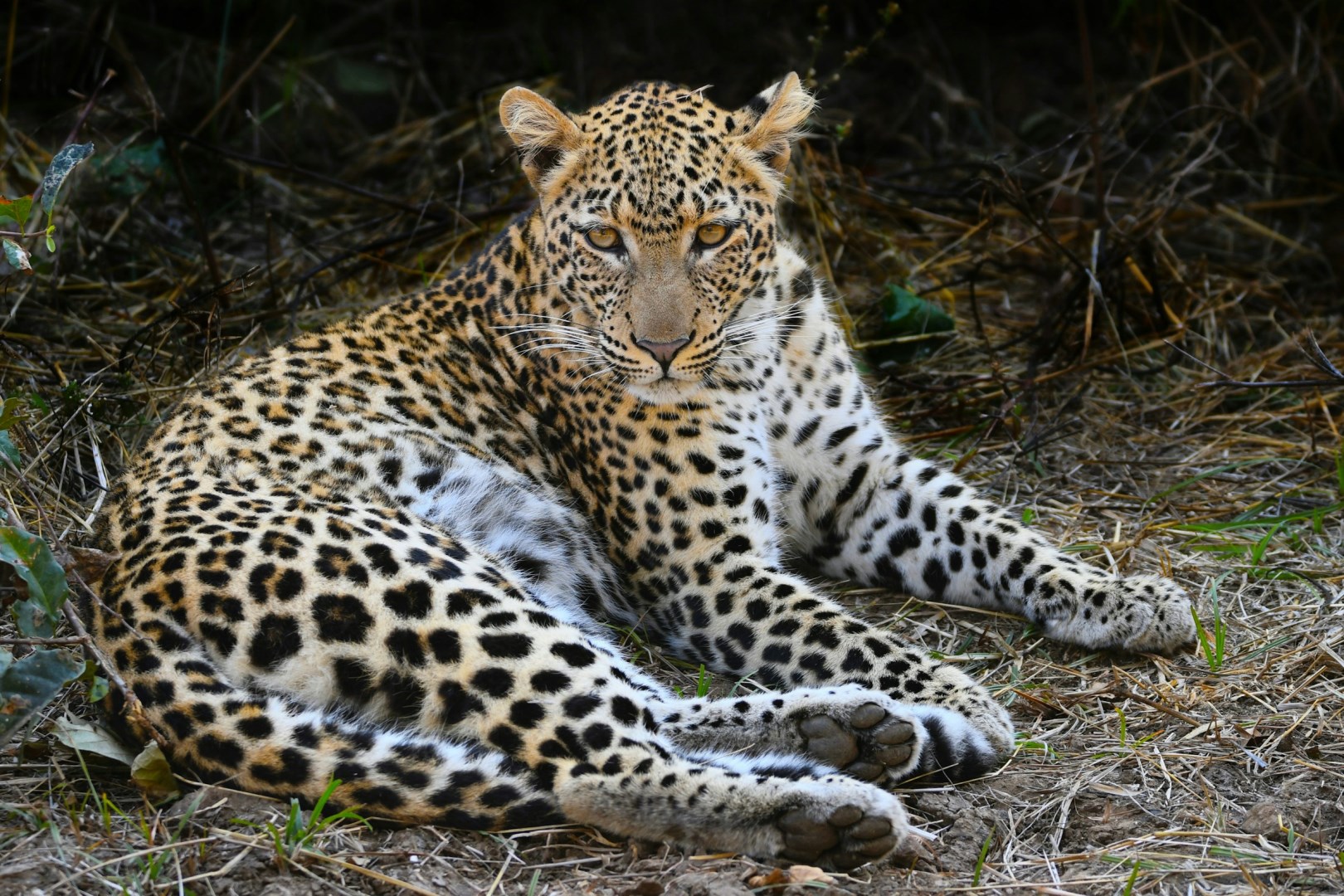
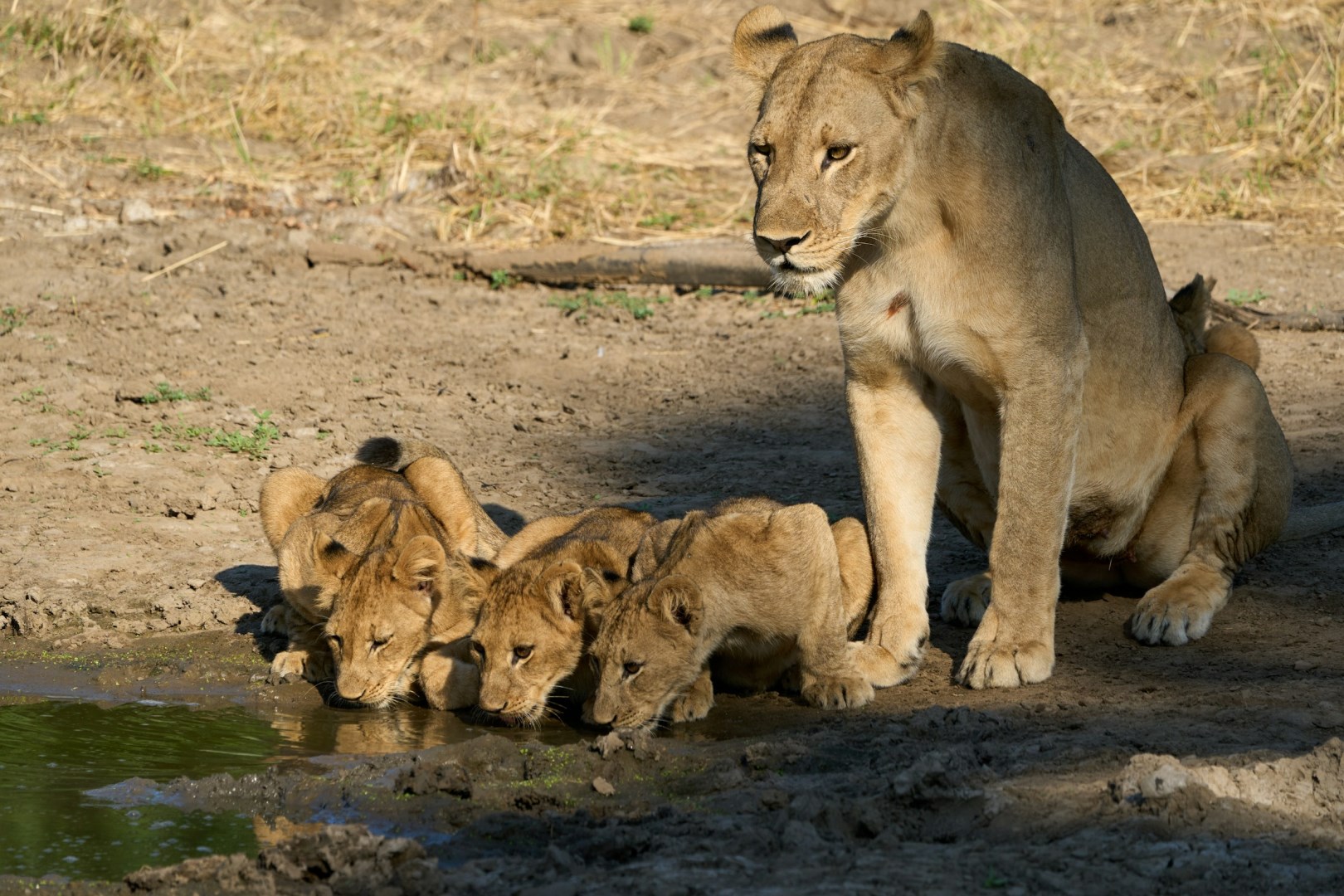
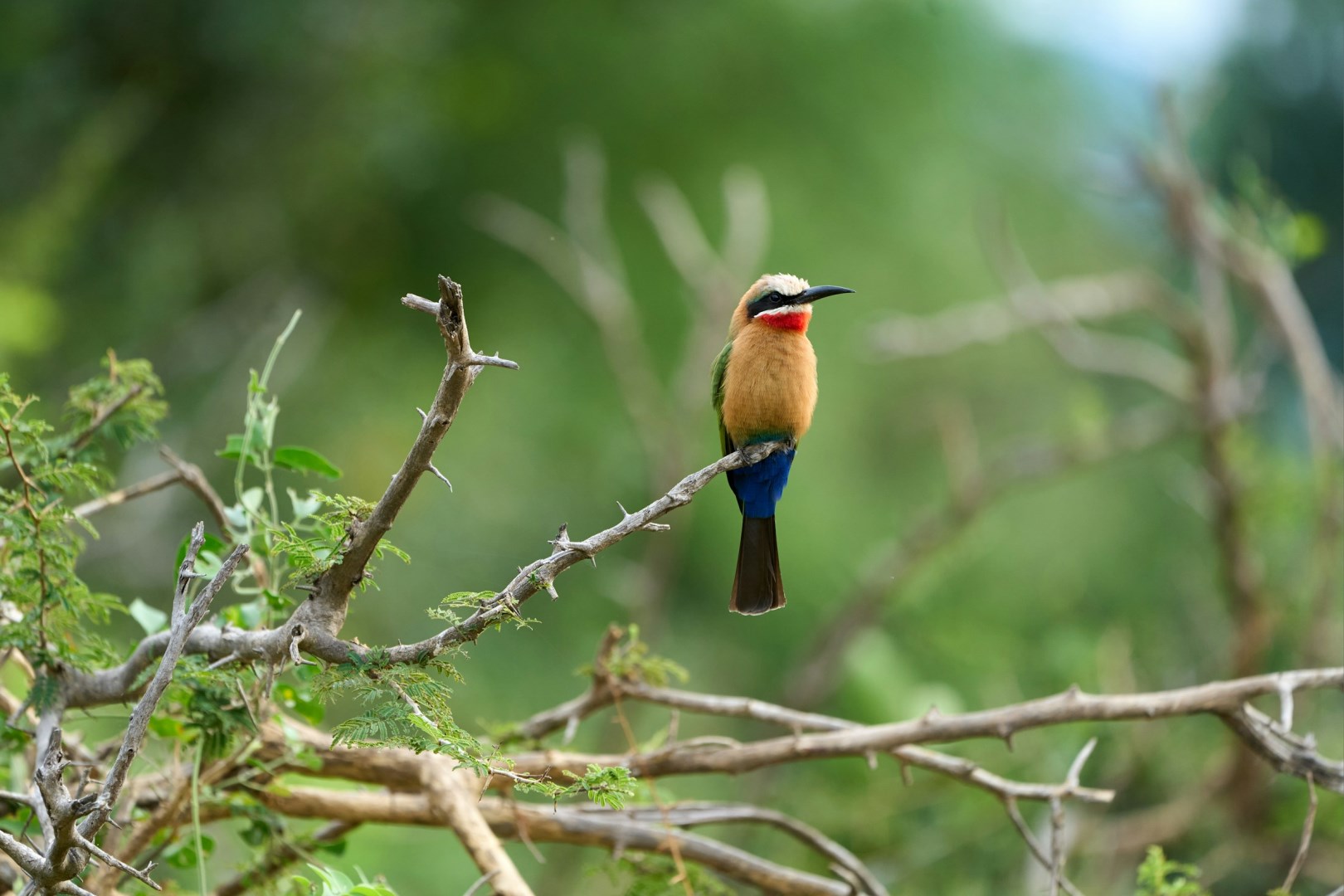
The Zambezi River provides the setting for many of the park’s activities, including canoe safaris, boat trips, and fishing in permitted areas. Game drives and guided walks explore the woodland and floodplain, where elephants, buffalo, hippos, crocodiles, lions, leopards, wild dogs, and numerous antelope species can be found. The riverine areas attract large numbers of waterbirds, while lagoons and channels provide additional wetland habitat. A notable feature of the park is the opportunity to observe wildlife from the water, with elephants and other animals often gathering near the Zambezi during dry conditions.
Food in the communities around the Lower Zambezi commonly includes nshima made from maize meal, accompanied by fish, beans, vegetables, or meat. Fresh fish from the Zambezi is particularly important in riverside communities and may be grilled, fried, or prepared in stews. The river also creates an unusual ecological boundary: across the water lies Mana Pools National Park in Zimbabwe, allowing wildlife to move through a much larger transboundary ecosystem. The combination of river channels, floodplains, woodland, and open grassland supports a wide variety of species while giving the park a landscape closely shaped by the seasonal rhythms of the Zambezi.
Other Popular Destinations in Zambia